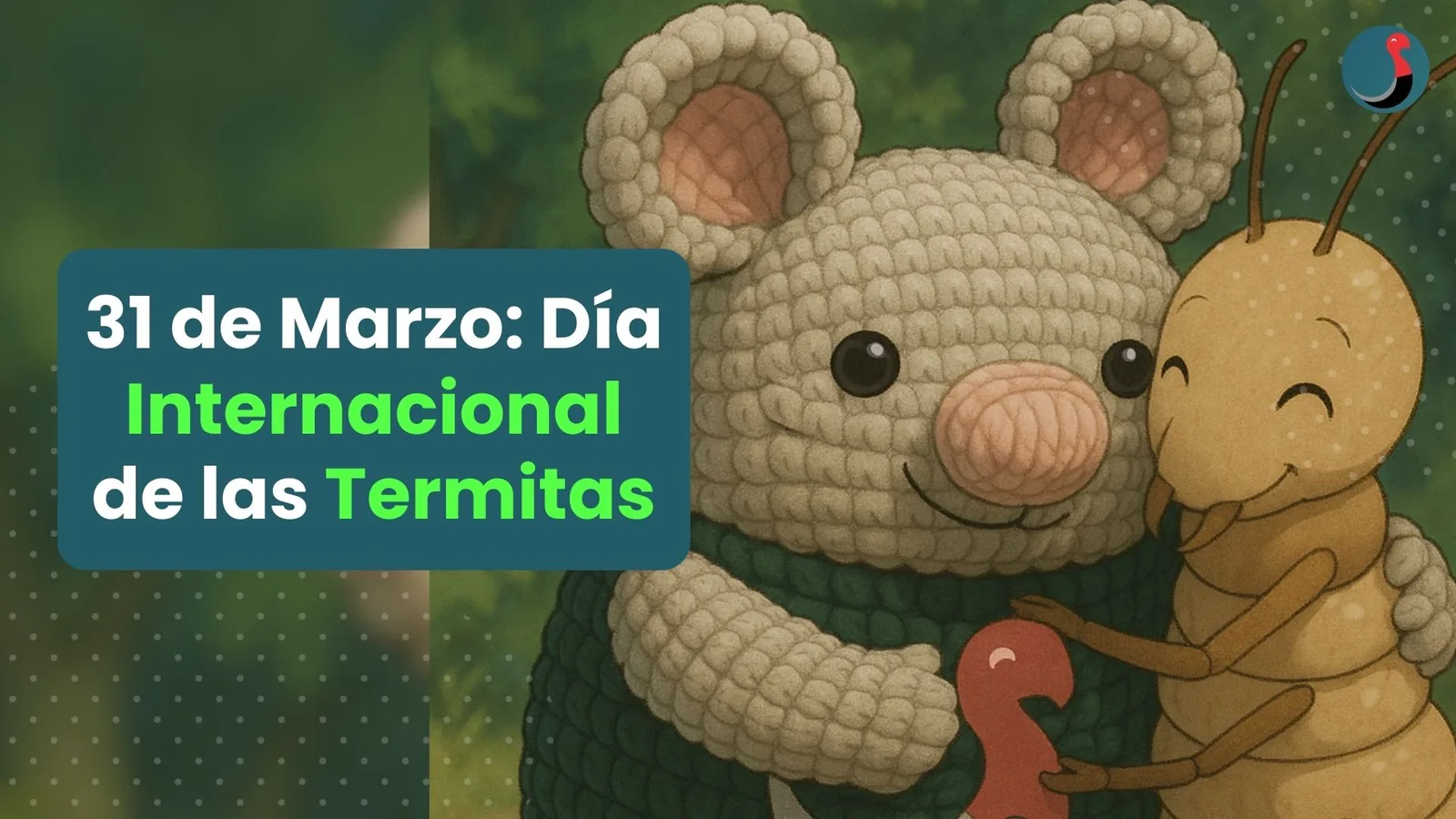
When we talk about termites, the first image that comes to mind is destroyed wooden structures. But did you know that not all termites are pests?
March 31 is World Termite Day, a date that reminds us of their role in the ecosystem, and of the importance of good control when they become a problem.
The positive side of termites
It may sound strange, but termites don't only cause damage. In nature they play a key role:
- ✅ Wood recyclers: a colony can break down up to 60 kg (130 lb) of wood a year, contributing to the carbon cycle.
- ✅ Better soil: they aerate the soil and enrich it with nutrients.
- ✅ Food source: they're part of the diet of birds, mammals and even people in some regions of the world.
The problem is that they can't tell the difference between a log in the forest and the wood in a house or business. To them, it's all food.
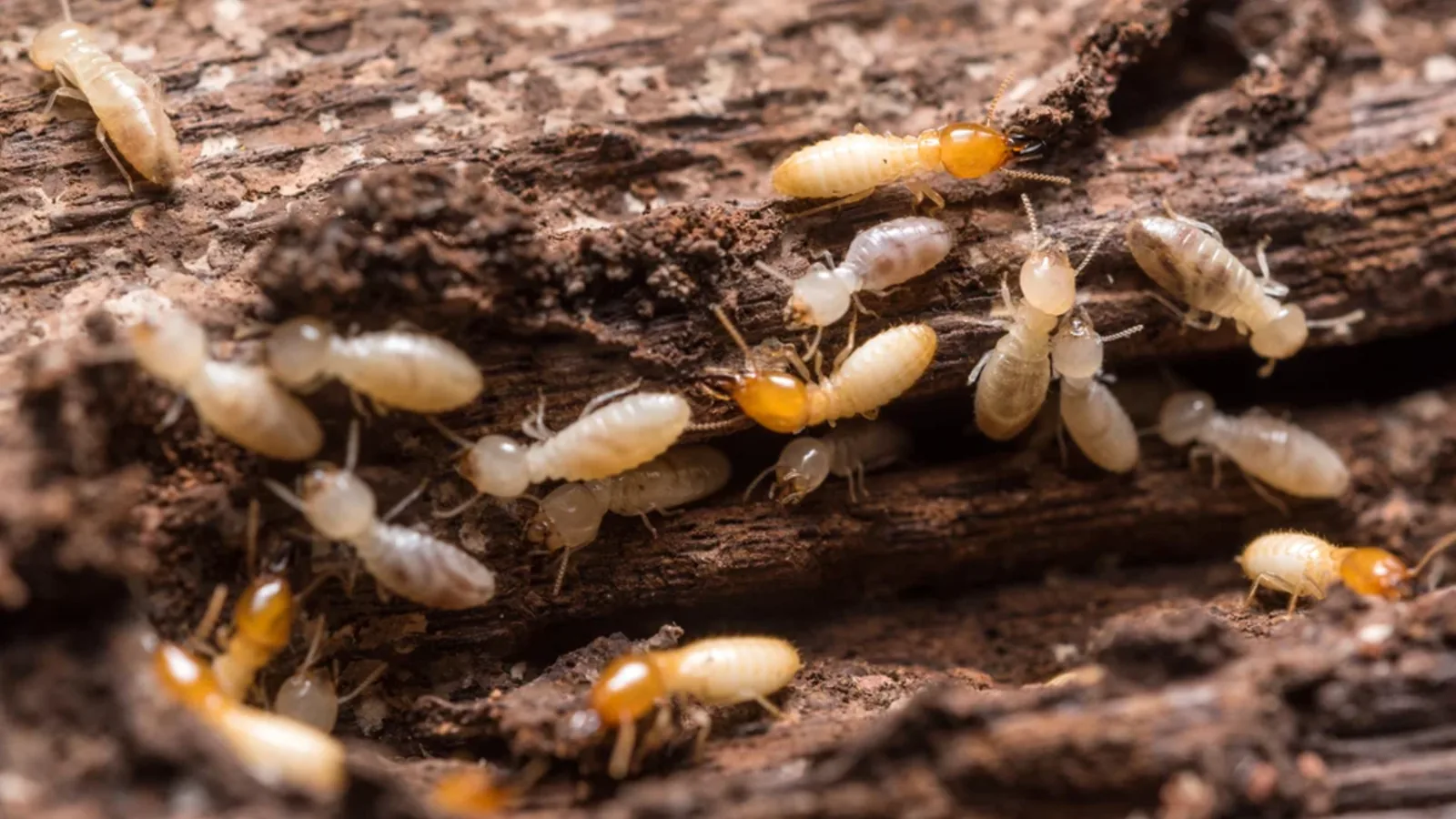
When do termites become a pest?
There are more than 2,800 termite species, but only about 7% are considered pests. So what makes them dangerous?
- 👉 Their survival instinct. They work silently, feeding on wooden structures, furniture and even important documents.
- 👉 They're invisible to the naked eye. They can damage a property for years before you notice.
- 👉 They spread fast. A well-established colony can have millions of individuals.
If you run a pest control business, you know how hard a termite infestation can be without the right strategy.
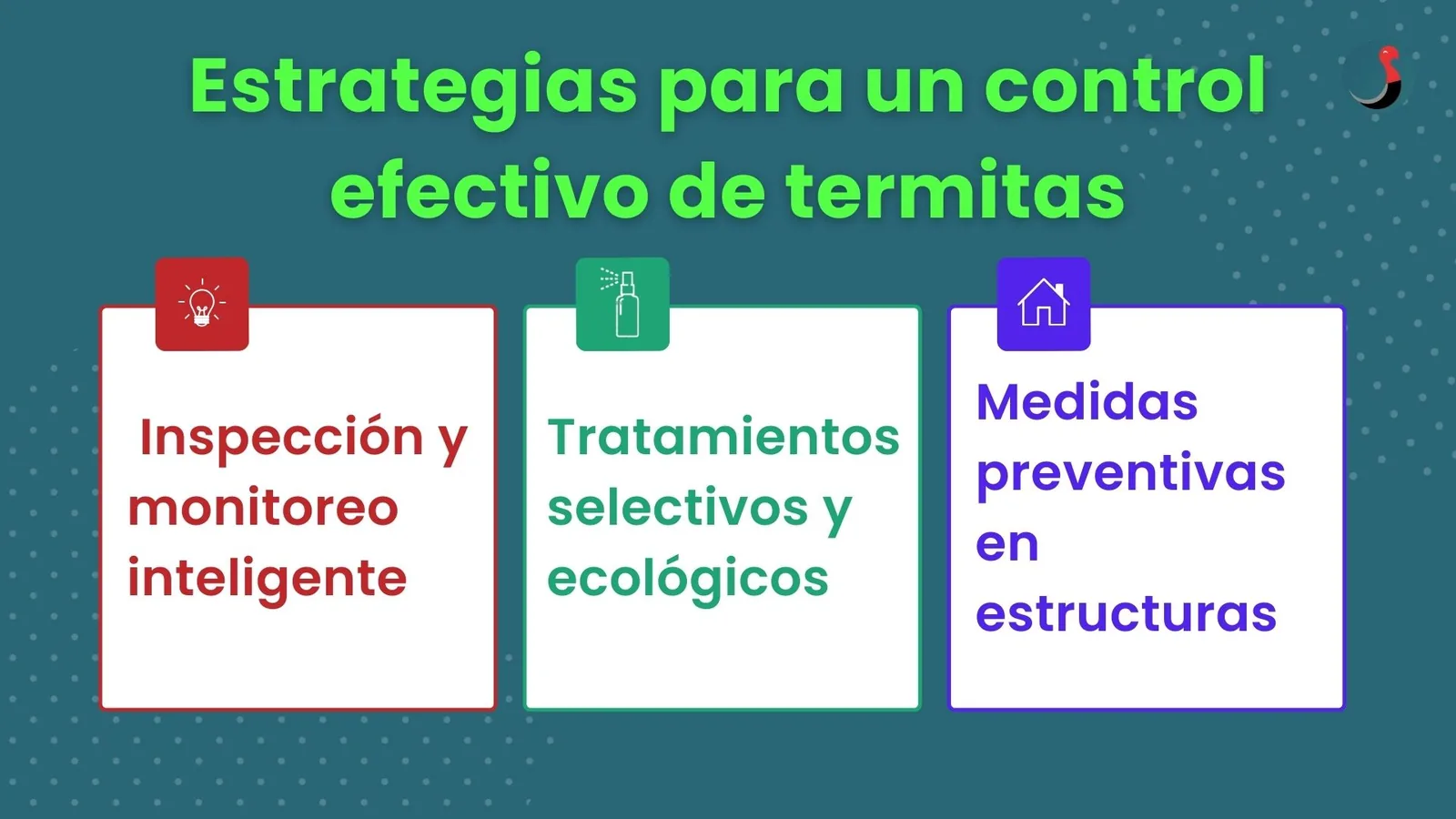
Strategies for effective termite control
Termite control has evolved well beyond simply applying chemicals. Key strategies include:
1. Smart inspection and monitoring
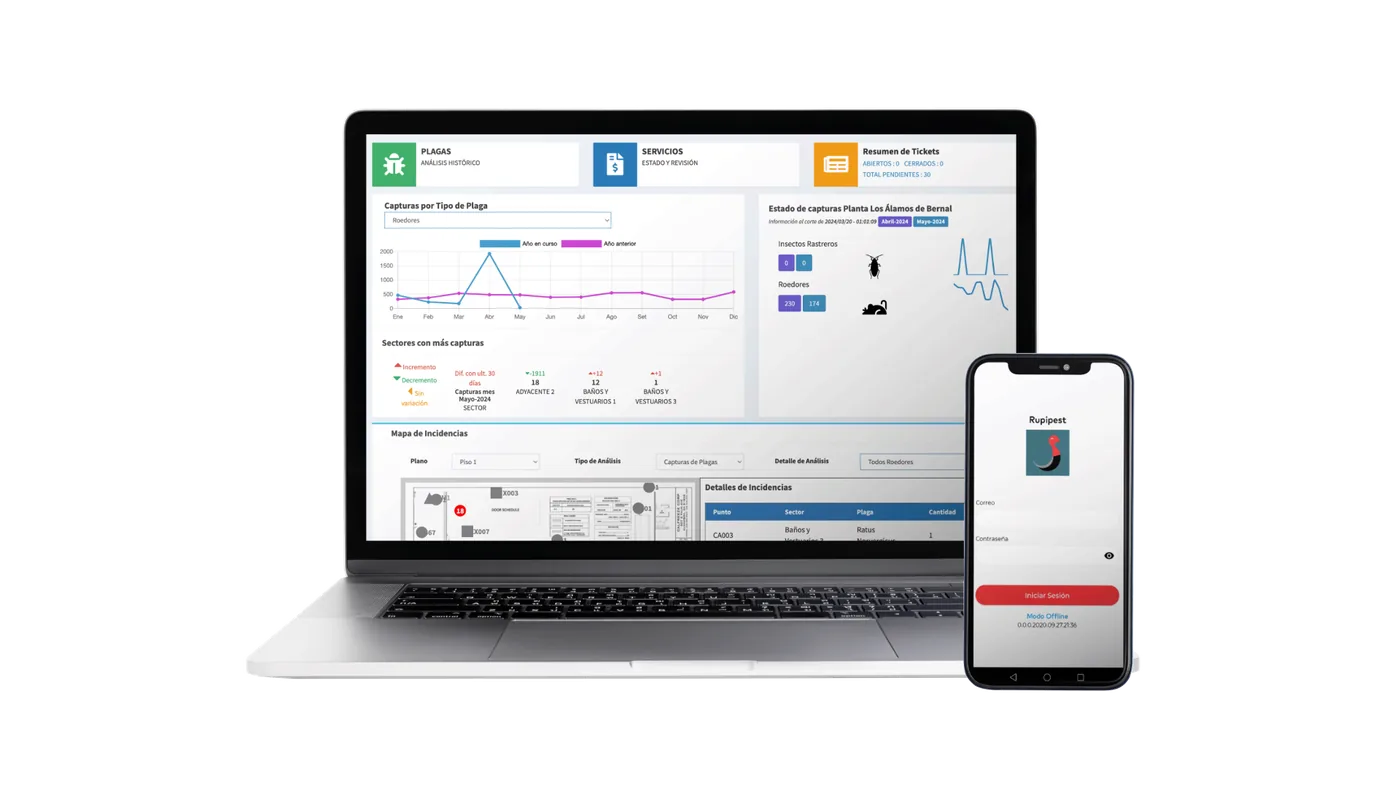
Before acting, you need to detect the pest. With tools like Rupipest you can log inspections, keep an activity history and generate detailed reports.
2. Targeted, lower-impact treatments
Instead of applying chemicals indiscriminately, use targeted baits that eliminate the colony from the inside.
3. Preventive measures in structures
- ✔️ Use physical barriers such as mesh, or wood treatments
- ✔️ Avoid moisture buildup in walls and floors
- ✔️ Inspect vulnerable structures regularly
The most important part of termite control is prevention. Constant monitoring and trend analysis let you act in time, leaving termites in their natural environment without letting them become a threat to homes and businesses. Good pest control doesn't just eliminate infestations, it also respects the balance of the ecosystem, avoiding unnecessary interventions and reducing environmental impact.
Technology as an ally
For efficient control, organization is key. Rupipest helps you manage clients, schedule visits, monitor treatments, analyze trends and automate reports, saving time and resources.