At Rupipest we take it very seriously when we talk about increasing the value you deliver to your clients. Keeping clients happy and satisfied is what lets you grow.
Knowing how to communicate your work clearly as a pest control company, and how to help your clients best, gives you a competitive edge.
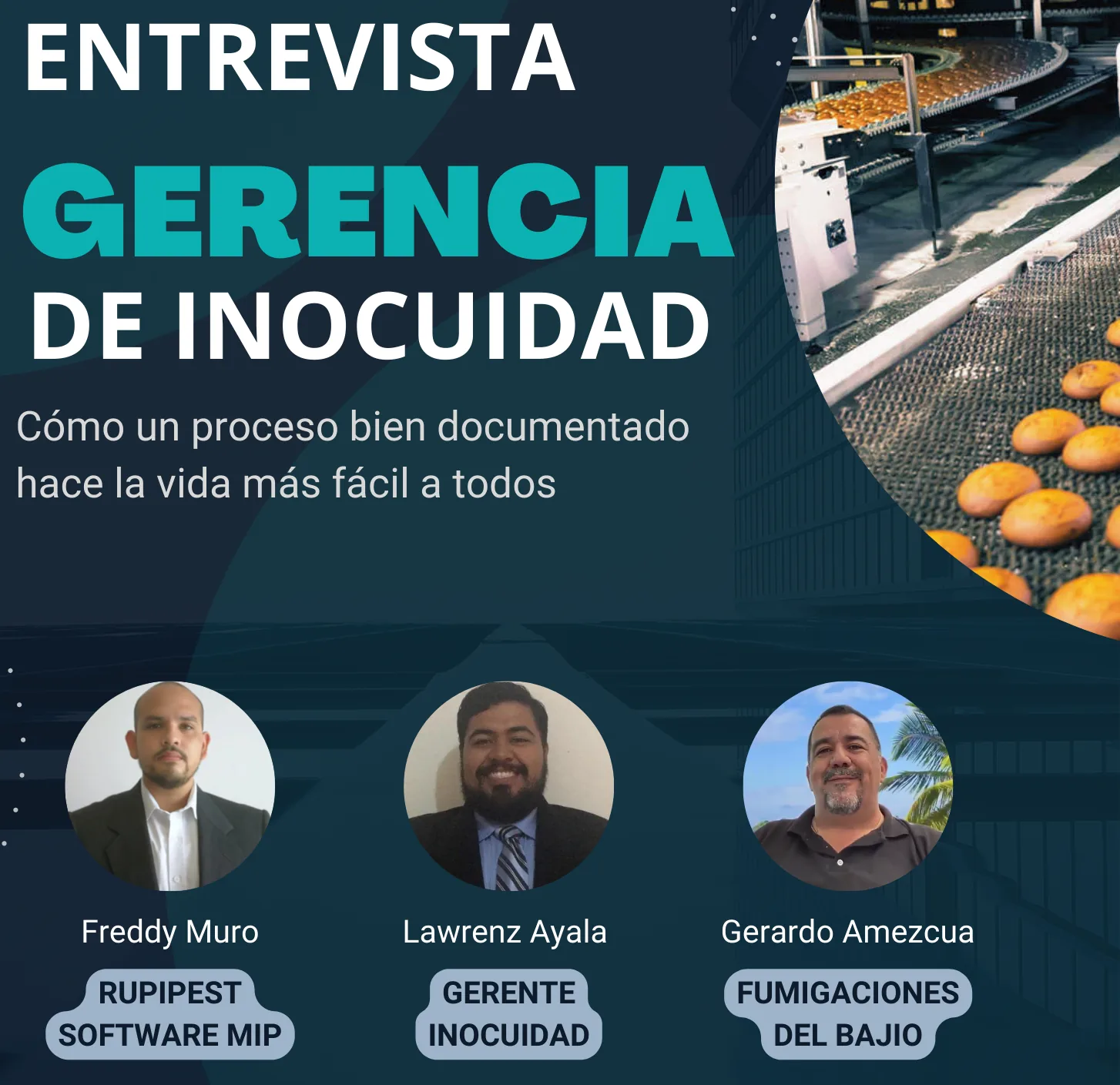
Often when I meet a new prospect, they are not sure (at first!) how Rupipest can help them stand out. That is why on Saturday, March 25, 2023 we organized an interview that I'm sure will open your eyes to a world of possibilities.
The participants were Gerardo Amezcua (Fumigaciones del Bajío) and Lawrenz Ayala, food safety manager at a food-grade plant. We heard the experience of my user and also of his client. It is a long value chain!
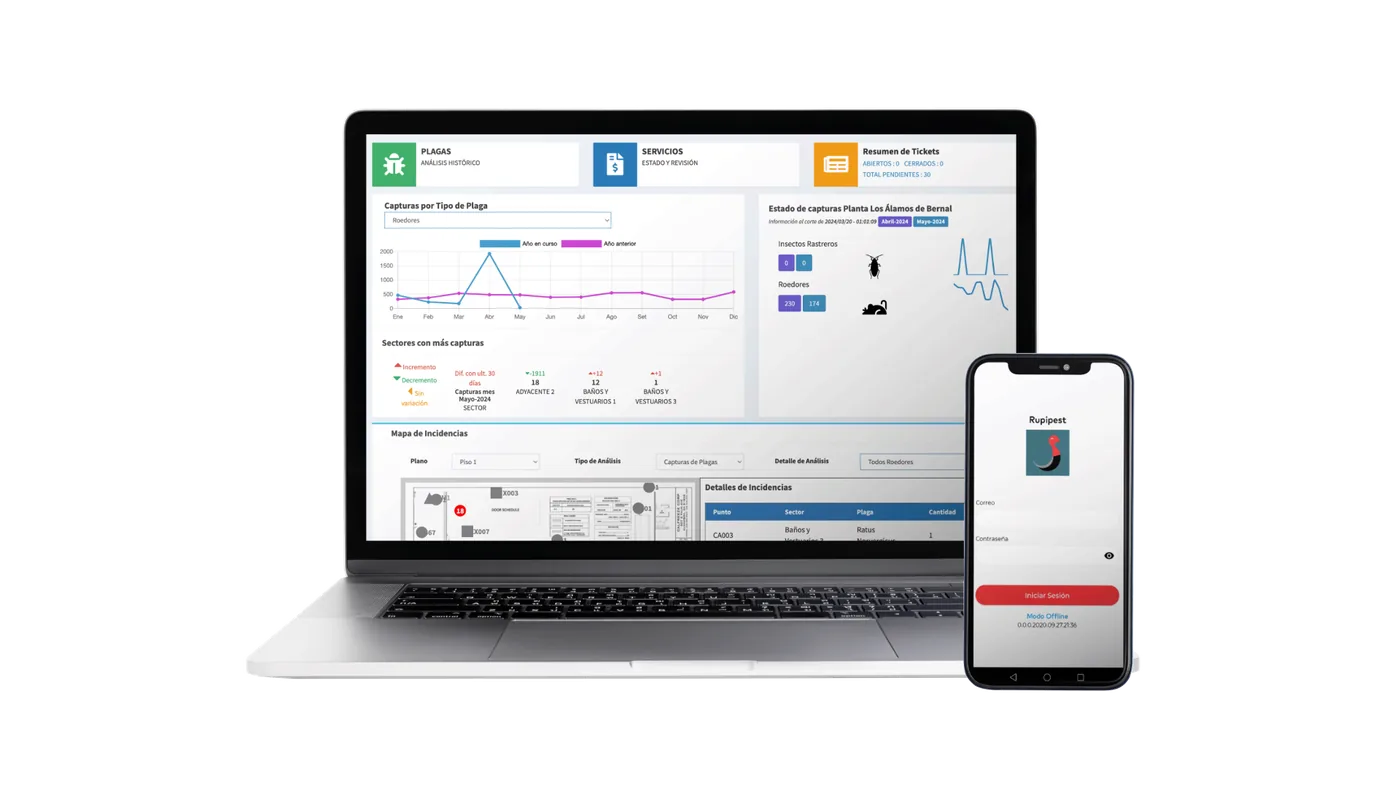
It may seem obvious, but moving a pest control business to a digital, organized way of working (instead of a traditional, empirical one) takes effort and patience, especially if you don't know where to start. We cover that in this other post.
Most challenges are internal: adapting processes, training, adopting new policies. But one challenge stands out: getting your clients involved, both current clients and prospects.
How? A simple way to start is to show that your processes are transparent. Transparency lets clients see the excellence of your work.
At minute 5:30 of the video (Spanish), they mention that at first there is parallel work to do. You can't stop the process already running at your client, so for a while you run the digital version alongside it. That sacrifice doesn't last long, and it is where persistence and discipline pay off.
Involve the client in the digital transformation
Clients often suspect there must be a better way to do things, but don't know how. Early on, one of the most valuable (and trust-building) things you can do is sit down with your client and show them how to get the most out of the new digital way of working.
Little by little, the client discovers the advantages, to the point of saying, and I quote, "How can this be so easy?"
Add a channel where the client sees in real time what happens, where, how, how much and why, and you have won half the battle. The other half is the work you do together with your client to get the digital process running.
A need, not a whim
Everything you do at a client's site is about protecting food safety and keeping the environment as pest-free as possible.
The information must be useful to the client, so their quality team can take the data and build contingency plans for the situation.
Clients often can't tell whether inspections are done thoroughly. If the client, who is on site, has doubts, imagine you, sending different crews out to cover services.
Side note: not knowing what happens in the field is a real and serious problem, and it can be costly. We talk about that here.
Back to transparency: a client who knows where you and your team are has more confidence in the service. That trust is a strategic weapon for surviving an increasingly competitive market.
Digital transformation to reduce risk and cost
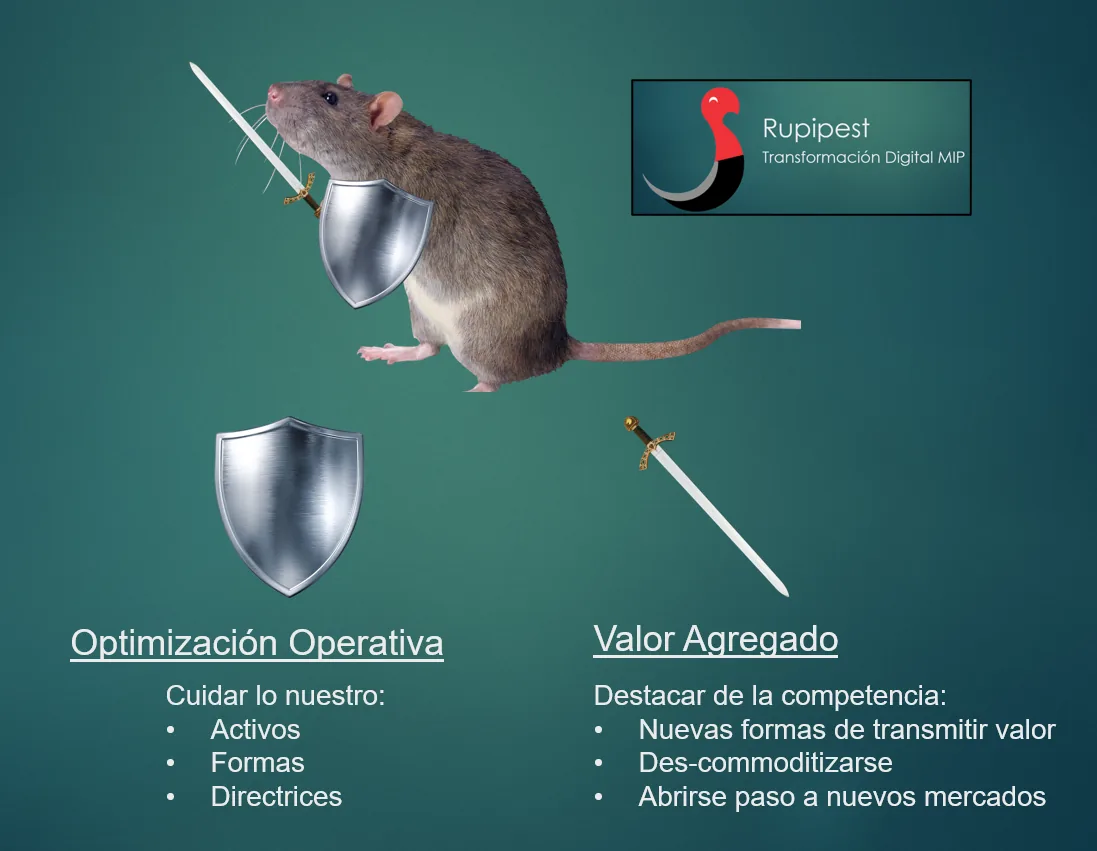
When you evaluate investing in digitalization, look at every angle. The point of going digital is to reduce the risk of missing documentation when you need it, to see what happens in the field and to reduce costs.
Lawrenz makes a key point: when everything was on paper, someone had to scan and file every document to back it up for an audit. That job is one more salary.
If you show up with a digital solution that frees up that resource, you have a major factor in the buying decision. If your salesperson can put that into a proposal, you have a small gold mine.
Response speed and adaptability

What happens in the field, with the client and with your business will always require action. How fast you act often decides whether you keep that client or lose them for good.
Responding quickly in different contexts is adaptability. It means not following a plan carved in stone that only works in one scenario, but making the adjustments needed so the response fits the situation.
Poison sprayer or food safety partner?
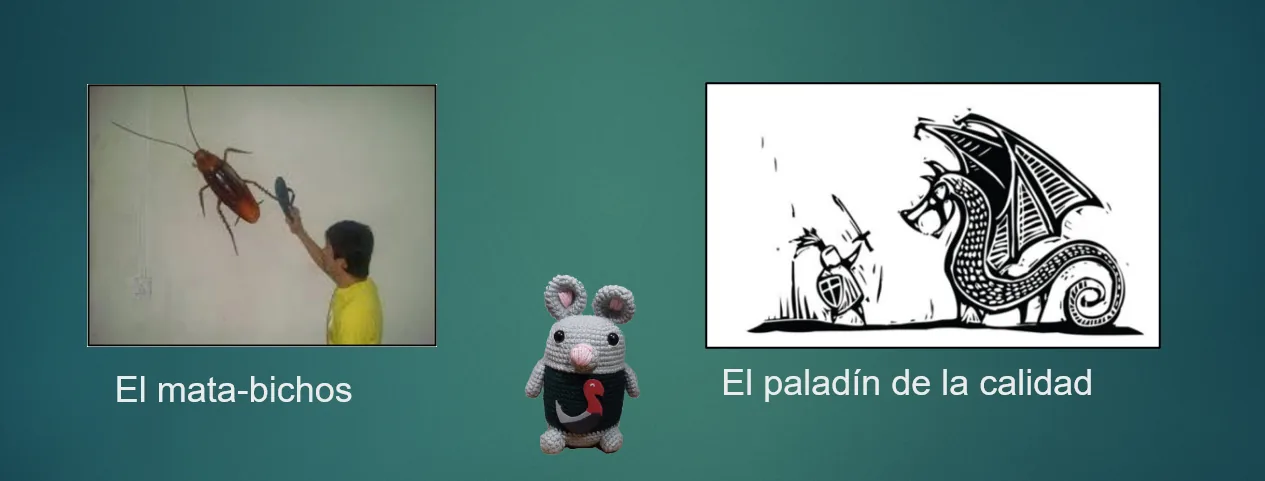
This comes up in every talk I give, and it couldn't be missing from this interview. The difference is that this time I didn't say it: a food safety manager did.
Remember: the client doesn't pay to watch you or your team spray poison. The client hires you to be part of the solution for keeping their environment pest-free.
Presenting yourself as a strategic partner is your responsibility. It shows in your knowledge, your operating policies and your value proposition.
In the same clip, Lawrenz says that when a provider shows up with a digital tool, he can already tell how committed that pest control provider is to service quality.
Involve your client in your strategy
Your work plan should not be static. It changes over time with the conditions at the client's site. Some corrective and preventive measures don't depend only on you as the pest control operator, and you will often need the client's help.
In this clip, the food safety manager says that involving the client and working together toward the best result is, unfortunately, the exception and not the rule.
So let me ask you: if this is unusual, wouldn't it be interesting to make that involvement part of your sales proposal? ;)
Price isn't everything
There is a myth that price is the main variable and decides the winner. Since I hear this question all the time, I asked Lawrenz directly.
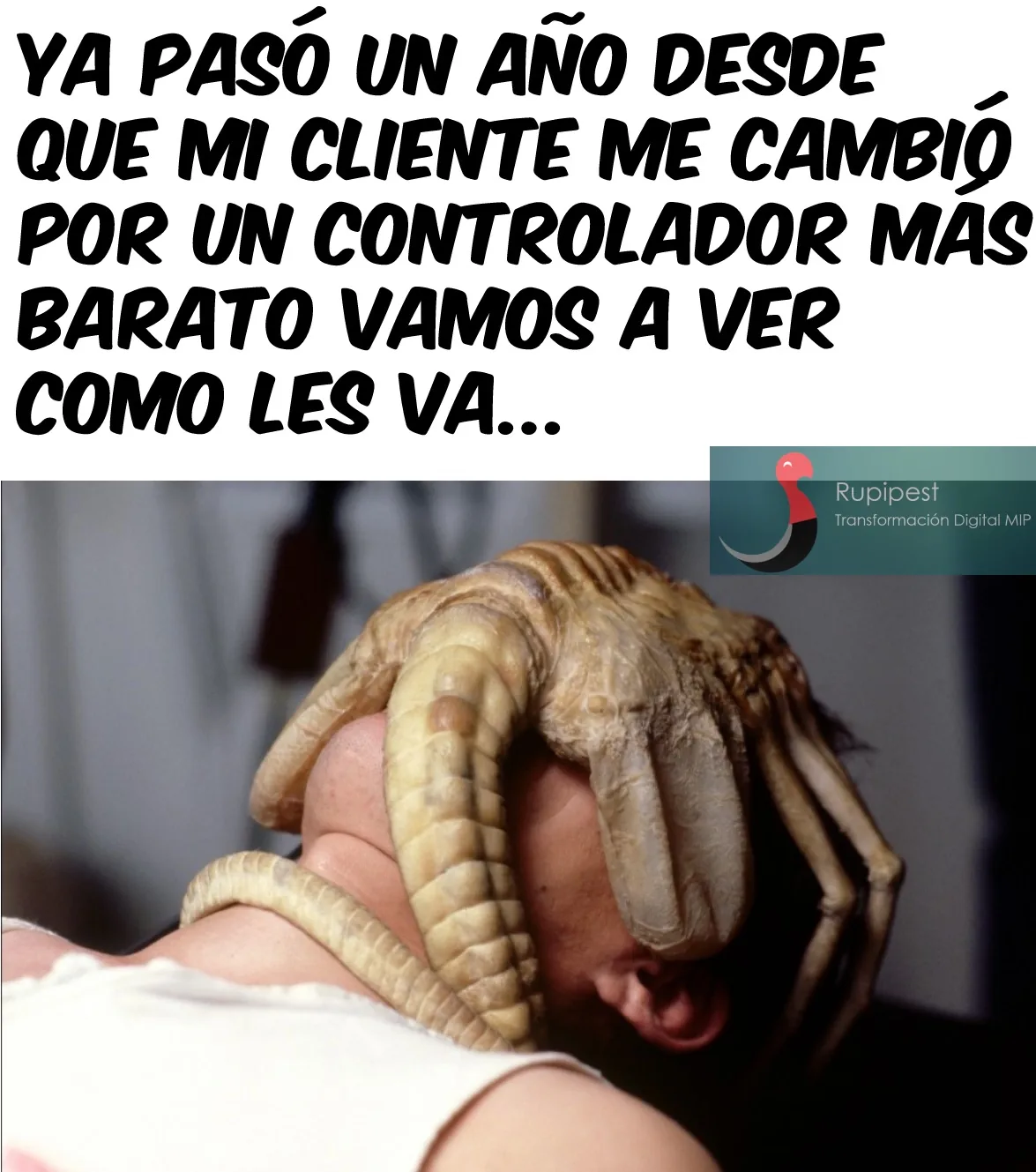
When your client needs to keep their certification to sell, the last thing they worry about is a small price difference between you and your nearest competitor. Choosing a provider that could put the certification at risk is far too risky.
In the conferences I take part in, I always stress that you must not commoditize your work. The winning combination is price + service.
Wrapping up
Both the pest control company and its clients see the benefits of a digital, organized and connected way of working. Efficiency is gained on both sides of the coin. It is a virtuous circle of continuous improvement.
The world is going digital, and this wave of innovation will disrupt businesses. It is up to you to ride the wave instead of being swept away by it.
I am convinced that Gerardo and Lawrenz's success can be replicated and enjoyed by you and your clients.